Luxury Electric Vehicles How Premium Automakers Are Redefining Electric Mobility
Electric Vehicles
|
May 3, 2026
Luxury electric vehicles have become an important segment of the rapidly expanding EV market, combining advanced battery technology, premium design, and high-performance engineering. As traditional luxury automakers accelerate their electrification strategies, electric vehicles are no longer limited to efficiency-focused transportation but have evolved into products that emphasize technology, comfort, and driving experience.
Unlike mainstream EVs that often focus primarily on affordability and practicality, luxury electric vehicles typically compete through advanced features such as sophisticated driver-assistance systems, premium interiors, high-performance powertrains, and enhanced digital connectivity. These characteristics allow manufacturers to differentiate their electric models while responding to changing consumer expectations.
The growth of the luxury EV segment also reflects a broader transformation within the automotive industry. Brands are using electrification not only as a pathway toward lower emissions but also as an opportunity to redesign vehicle experiences through software, battery innovation, and new approaches to performance.
As competition increases among established luxury automakers and emerging EV companies, the luxury electric vehicle market continues to evolve, shaping the future direction of premium mobility.
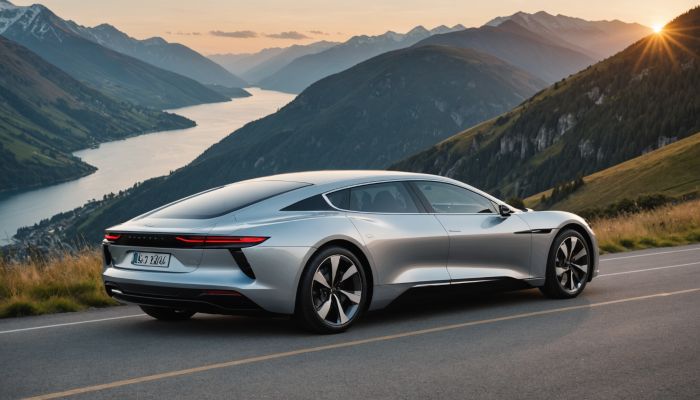
Understanding Luxury in the Electric Vehicle Domain
In the electric vehicle landscape, luxury is redefined by several unique features. To begin with, design is essential; with sleek contours and expansive interiors, models like the Tesla Model S offer a visual sophistication unmatched by traditional sedans. Equally critical is technology integration. Modern infotainment systems and the capability for over-the-air updates provide a user-friendly experience, placing EVs a step ahead of older models reliant on outdated manual upgrades.
Additionally, performance is a defining characteristic. EVs like the Porsche Taycan deliver instantaneous torque, offering thrilling acceleration compared to the gradual responsiveness of internal combustion engine vehicles. Sustainability is another vital luxury aspect, attracting eco-conscious consumers focused on ethical practices. Ultimately, the driving experience associated with EVs, marked by quiet operation and intuitive handling, redefines comfort and elevates the luxurious travel experience. Collectively, these elements not only set luxury EVs apart but also reshape the conventional understanding of extravagance.
Leading Luxury EV Models and Their Market Position
Luxury electric vehicles represent the premium segment of the EV market, combining advanced battery technology, long-range capability, and high-performance driving experiences.
Top Luxury EVs by Body Style and Buyer Scenario
- Luxury Sedan: Leading this category, the Tesla Model S stands out with an impressive range, advanced technological offerings, and a premium interior designed for comfort and performance.
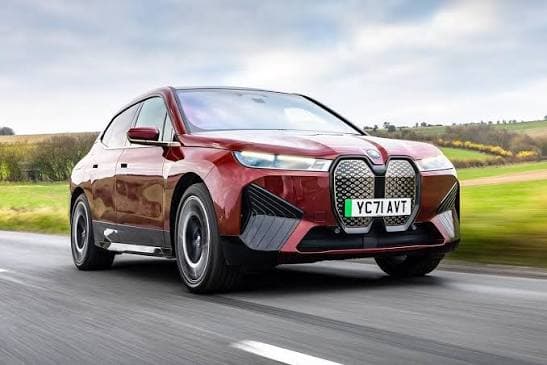
- Luxury SUV: The BMW iX is the epitome of luxury and utility, combining spaciousness with cutting-edge functions, making it an ideal choice for families prioritizing comfort and technology.
- Performance: Enthusiasts will find the Porsche Taycan particularly appealing, delivering exhilarating speeds and responsive handling while retaining luxurious amenities.
- Long-Distance Travel: The Mercedes-Benz EQS sets a high standard for long journeys, combining comfort with an expansive range, perfect for travel aficionados.
- Value-Conscious Luxury: The Audi e-tron offers a harmonious blend of premium features and reasonable pricing, appealing to buyers seeking a fulfill quality experience without overspending.
Range, Charging, and Road-Trip Functionality
When evaluating luxury electric vehicles, range and charging capabilities emerge as crucial factors for road-trip enthusiasts. Many luxury EVs today boast impressive ranges exceeding 300 miles on a single charge, significantly facilitating long-distance travel. However, these amenities are contingent on the availability of charging infrastructure. Fast-charging stations along major travel routes can recharge an EV's battery to 80% within roughly 30 minutes, marking a pivotal enhancement for travelers.
Still, the practical usability of these vehicles can be influenced by the reliability and reach of charging networks. While urban centers often feature extensive charging capabilities, more remote areas may pose challenges that could complicate journey planning. High-speed charging stations along popular routes can greatly enhance the driving experience, enabling owners to minimize downtime while maximizing travel time.
Ultimately, the effective interplay between range and charging options shapes the experience of owning a luxury EV, providing road-trip enthusiasts with the performance and convenience essential for satisfying travel. As charging amenities advance and expand, luxury EVs are likely to emerge as the go-to choices for long-distance ventures.
Cabin Quality, Technology, Performance, and Customer Experience
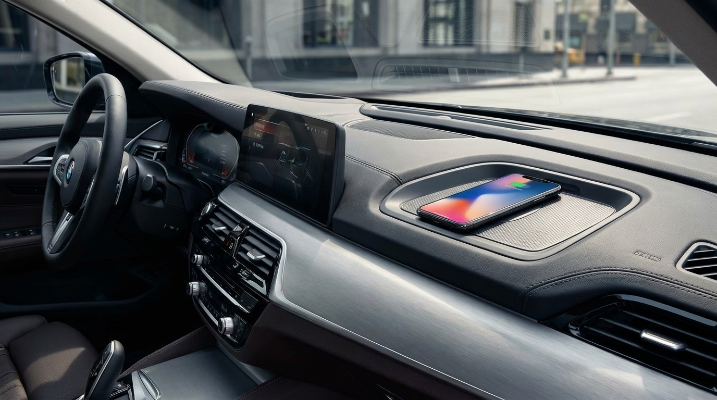
In the world of luxury electric vehicles, the quality of ride comfort and interior finishes is paramount for discerning customers. A tranquil cabin atmosphere, complemented by superior sound insulation and premium materials like leather and sustainably sourced wood, creates an environment of opulence. Brands like Tesla and Audi excel in providing a harmonious blend of modern designs and sumptuous seating arrangements, ensuring passenger comfort during lengthy trips.
On the technical side, the efficiency of software plays a crucial role in the luxury EV experience. Tesla’s infotainment system receives accolades for its user-friendly interface and consistent software updates, whereas rivals like Mercedes-Benz place emphasis on comprehensive driver assistance capabilities, ensuring safety without detracting from the driving experience. Advanced features such as adaptive cruise control and lane-keeping assist foster user confidence in varied driving conditions.
Moreover, the service experience is a vital aspect of the ownership journey. Access to responsive dealerships and clear maintenance schedules can significantly enhance the luxury experience, fostering trust and long-term satisfaction. Having dedicated service teams, exemplified by brands like Lexus, can provide a competitive edge, ensuring high customer loyalty in this evolving market.
Electric Vehicle Ownership Costs: Charging, Maintenance, and Long-Term Considerations
Navigating the financial aspects associated with owning luxury electric vehicles reveals a complex relationship between costs and their associated benefits. Although luxury EVs typically feature premium facilities, the total cost of ownership extends beyond the initial price tag. Depreciation can be notably high, as luxury models often depreciate faster than their internal combustion engine counterparts, particularly in their earlier years. Additionally, insurance premiums for luxury vehicles are generally higher due to advanced technology and repair costs.
While maintenance costs are usually lower for electric vehicles due to fewer moving parts, luxury models can still incur substantial costs, particularly when specialized services are required. Nevertheless, the appeal of cutting-edge features, unparalleled comfort, and strong performance frequently outweighs these financial considerations for discerning buyers. Consequently, future owners should carefully assess their financial comfort against the superior driving experience and distinct aspects defining luxury EVs to ensure their investment aligns with their individual lifestyle goals.
A Practical Checklist for Buying Luxury Electric Vehicles
- Budget: Define your overall expenditure limit, considering financing options and available incentives for electric vehicles.
- Charging Needs: Assess how you’ll charge your vehicle at home, including the accessibility of public charging stations.
- Technology Features: Clarify the technological aspects you desire, including infotainment systems, driver assistance features, and battery performance.
- Performance Criteria: Evaluate vital performance metrics such as acceleration, handling, and driving distance requirements tailored to your lifestyle.
- Brand Research: Investigate well-known luxury EV brands and compile a shortlist of models that suit your preferences.
- Convenience Factors: Account for essential elements such as seating capacity, trunk space, and any interior comforts that match your personal likes and preferences.
How to Choose an Electric Vehicle Based on Driving Needs
Selecting the most suitable luxury electric vehicle revolves around individual preferences and driving habits. As explored, the essence of luxury in EVs extends beyond visuals to encompass performance, advanced technology, and sustainability, each varying among available models. Prospective buyers need to carefully consider their desires for key aspects, including range, comfort, and innovative features, married to their lifestyle profiles and financial situations. The ultimate selection of a luxury EV should resonate with personal principles and needs, necessitating thorough reflection and informed decision-making as shoppers navigate the evolving electric vehicle market.
Source References
Industry leaders such as Edmunds, Car and Driver, and Tom's Guide have contributed significantly to automotive reviews, each employing rigorous testing approaches. Edmunds relies on real-world driving assessments and extensive data analytics, assuring consumers of authentic evaluations. Car and Driver balances track performance metrics with everyday usability insights, delivering a comprehensive perspective on vehicle capabilities. Meanwhile, Tom's Guide emphasizes a user-centric viewpoint, assessing tech integration and overall value among competing models. These methodologies ensure reliable and authoritative guidance for consumers exploring the luxury electric vehicle market.
Related Posts

Car Steering Wheel Covers Types, Benefits, and How to Choose the Best One
Car Sun Shades A Practical Guide to Keeping Your Car Cooler and Protected in Daily Use
Sedan or SUV What You Need to Know Before Deciding in 2026
Wireless Car Chargers A Practical Guide to Choosing Fast and Reliable Charging on the Road

13 Best Accessories to Survive Long Traffic Hours Without Losing Your Mind